Posted on 05/11/2026
Camden Council rules for grave flowers and funeral displays: a practical guide for families, friends and funeral planners
If you are arranging flowers for a grave, cremation plot, or funeral tribute in Camden, the rules can feel oddly specific at a time when you would rather be thinking about the person you have lost. That is exactly why this guide exists. Camden Council rules for grave flowers and funeral displays are really about balance: respect for the memorial space, safety for staff and visitors, and making sure tributes stay dignified rather than becoming cluttered or difficult to maintain.
In plain English, this means thinking carefully about what you place, where you place it, how long it will stay, and whether it suits the cemetery or memorial area. The details can differ depending on the cemetery, the type of grave, and the council's current local arrangements, so it pays to understand the general approach before you order, deliver, or set anything down. Let's walk through it properly, without the jargon.
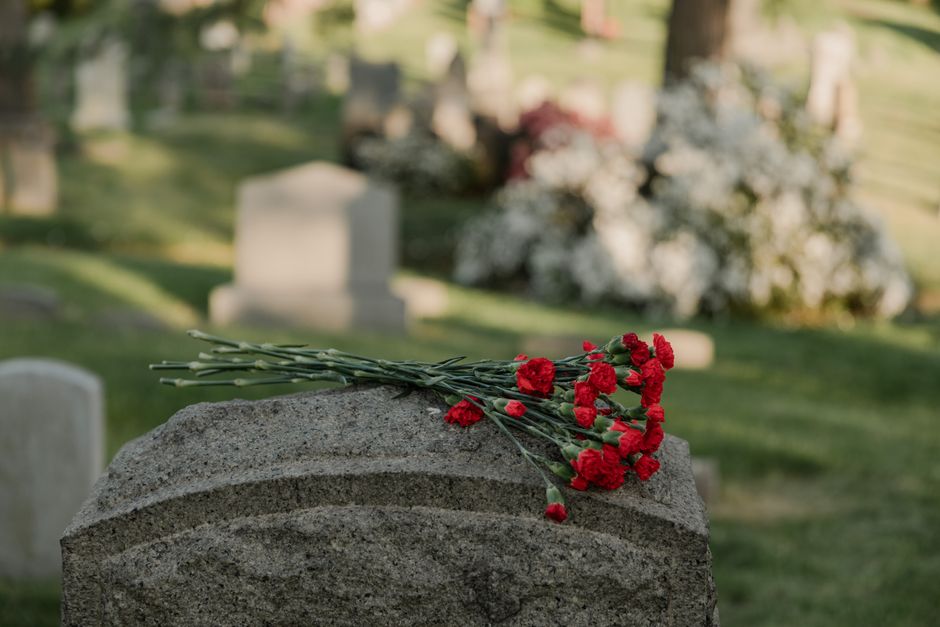
Table of Contents
- Why Camden Council rules for grave flowers and funeral displays Matters
- How Camden Council rules for grave flowers and funeral displays Works
- Key Benefits and Practical Advantages
- Who This Is For and When It Makes Sense
- Step-by-Step Guidance
- Expert Tips for Better Results
- Common Mistakes to Avoid
- Tools, Resources and Recommendations
- Law, Compliance, Standards, or Best Practice
- Options, Methods, or Comparison Table
- Case Study or Real-World Example
- Practical Checklist
- Conclusion
- Frequently Asked Questions
Why Camden Council rules for grave flowers and funeral displays Matters
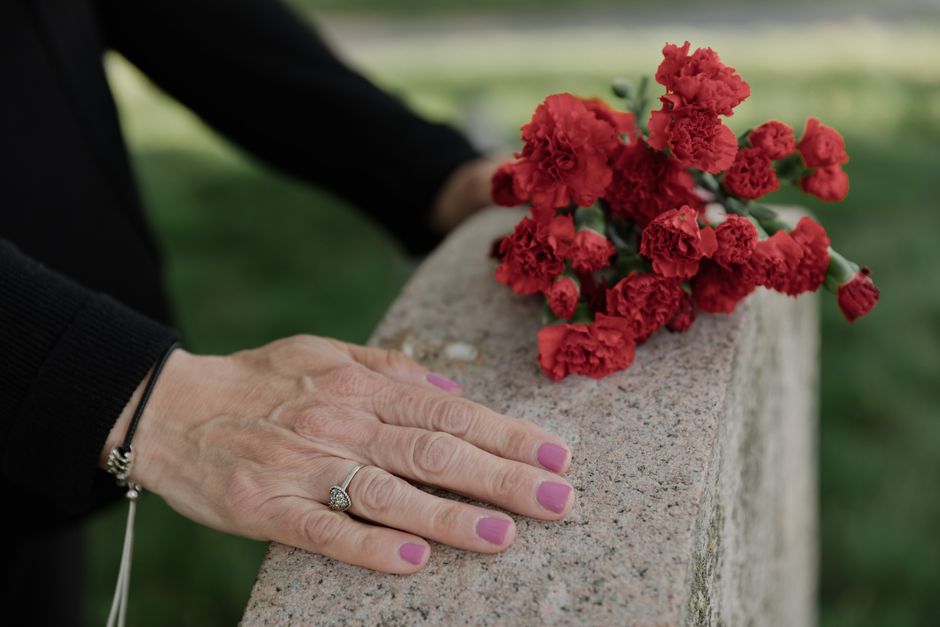
Grave flowers and funeral displays are not just decorative extras. They are part of how people mourn, remember, and show care. But cemeteries and burial grounds are shared spaces, and shared spaces need a little structure. Without rules, even the best-intentioned tribute can block maintenance access, deteriorate quickly, or overwhelm a grave area that needs to remain calm and tidy.
Camden Council rules for grave flowers and funeral displays matter because they help everyone understand what is acceptable. That protects visitors, cemetery staff, and the memorial itself. It also reduces awkward moments on the day of a funeral, which nobody wants. Imagine arriving with a large floral arrangement only to discover it needs relocating or trimming because it does not fit the burial area. Painful, and avoidable.
There is also a practical side. Weather in London can turn a lovely arrangement limp and muddy very quickly. A display that looks beautiful at 11 a.m. may be bowing its head by late afternoon. Clear rules encourage choices that last longer and remain respectful, especially if the tribute will be left unattended for several days.
Expert summary: The safest approach is to treat grave flowers and funeral displays as temporary, respectful tributes that should suit the cemetery's layout, not fight against it. If in doubt, keep the display simpler, sturdier, and easier to maintain.
You may also find that some families have different expectations. One relative may prefer a full wreath, another a modest posy. That is completely normal. The rules help create a neutral framework so those decisions can be made with less confusion and, frankly, less stress.
How Camden Council rules for grave flowers and funeral displays Works
At a practical level, the rules usually work by setting expectations around three things: the type of tribute, where it can be placed, and how long it can remain in place. Those three points cover most of the real-world issues people run into.
For graveside flowers, the usual question is whether the tribute is being placed on the grave itself, beside the memorial, or somewhere nearby after a service. Funeral displays can include sprays, wreaths, casket sprays, sheaves, baskets, posies, and letter tributes. Some are intended for the service, while others are designed to stay on the grave afterwards. Not every cemetery treats every item in exactly the same way, and that is where checking the local position matters.
In many UK cemeteries, the unwritten expectation is simple: keep tributes neat, avoid anything that obstructs groundskeeping, and make sure containers or frames do not cause damage. That means no sharp fixings sticking out, no heavy items that sink into soft ground, and no displays that sprawl into neighbouring plots. Sounds obvious, but you would be surprised how often the little details trip people up.
A few practical points often come up:
- Fresh flowers usually need more care and may be removed once they fade.
- Artificial flowers may be allowed in some areas and restricted in others, especially if they can scatter or look untidy over time.
- Large funeral arrangements are often suitable for the service itself, but not always for long-term grave placement.
- Cards, ribbons, and personal items can sometimes be included, but may be cleared during maintenance visits.
It is a bit like sharing a garden path. You can decorate it, yes, but everyone still needs to get through. That is the spirit of the rules.
If you are choosing floral products for a farewell or memorial, a focused range such as funeral flowers can help you select something suitable for the occasion without overcomplicating the decision.
Key Benefits and Practical Advantages
Following the local approach to grave flowers and funeral displays is not only about avoiding problems. There are real benefits to doing it well.
- Less stress on the day: You are not second-guessing whether the tribute is acceptable.
- More dignity: A well-chosen arrangement tends to look calmer and more respectful over time.
- Better longevity: Practical designs often last longer outdoors, especially through wind or light rain.
- Cleaner cemetery surroundings: Simple, appropriate displays are easier to maintain and less likely to be removed.
- Clearer family decisions: Rules can help relatives agree on what feels right without endless debate.
There is also a small but meaningful emotional benefit. When a tribute sits properly, looks cared for, and fits the space, it can bring a real sense of peace. You notice it. So do other visitors. A grave with fresh stems or a modest wreath often feels quietly settled, which can matter more than a dramatic arrangement ever would.
For people looking for something that already suits remembrance use, items in the sympathy range can be a helpful starting point because they are designed with these settings in mind.
Another advantage is timing. If you are arranging flowers close to the service, a local florist can help you choose tributes that travel well and arrive in good condition. That is especially useful if the funeral is early in the day or you need a same-day or next-day solution. In real life, those small timing details make a big difference.
Who This Is For and When It Makes Sense
This guidance is useful for a fairly wide group of people, not just the person directly organising the funeral. If you are wondering whether the Camden Council rules for grave flowers and funeral displays apply to you, the answer is probably yes if you are involved in any of the following:
- arranging a burial or graveside service
- choosing flowers for a funeral at a Camden cemetery
- visiting a loved one's grave and leaving a tribute
- sending flowers on behalf of family, friends, neighbours, or colleagues
- coordinating a memorial display after the funeral
It also makes sense for people who are not sure what is "normal" in London cemeteries. The truth is, funeral traditions vary a lot. Some families prefer big visual tributes; others want something restrained and understated. There is no single perfect answer. You just want the arrangement to be appropriate for the site and the occasion.
For example, a nephew arranging something on behalf of the family may need a low-maintenance wreath or spray. A close spouse may want a more personal tribute, perhaps with a ribbon message or selected flowers. A work colleague may choose a simpler posy and card. Different situations, different needs.
If the occasion involves a church service, crematorium, or burial followed by a graveside visit, you may need to think about two stages: the display for the service and the tribute that remains afterwards. That distinction matters more than people realise. A grand casket spray can be perfect at the chapel, but too large for the grave later on.
Step-by-Step Guidance
Here is the practical way to handle grave flowers and funeral displays without guesswork.
- Confirm the location. Check which Camden cemetery, burial ground, or memorial area you are dealing with. Different sites can have different expectations.
- Ask what is allowed. If you are working with a funeral director or arranging directly, ask about size, placement, and whether the tribute will stay after the service.
- Choose the format. Decide between wreath, spray, posy, basket, sheaf, casket spray, or letter tribute. Keep the setting in mind.
- Think about weather and durability. Outdoors, sturdy blooms and secure mechanics are your friends. Soft blooms are beautiful, but they can be fragile.
- Keep messages short and clear. Ribbons and cards should be easy to read without making the tribute cluttered.
- Plan delivery timing. The tribute should arrive when it can be placed safely and remain fresh through the service.
- Check after placement. Make sure the flowers sit securely, do not lean awkwardly, and do not spill into another plot.
A small but useful tip: if there is a chance the arrangement will need to be moved from a service location to a grave later, choose something that works in both places. A slightly smaller design is often the calmer choice. Not as flashy, perhaps, but much less stressful.
And yes, it is absolutely okay to ask for guidance. People sometimes worry that asking about cemetery flower rules will sound fussy. It won't. It sounds careful, and careful is good here.
If you need a tribute that already leans towards a traditional memorial style, browsing wreaths can be a practical way to narrow down suitable options.
Expert Tips for Better Results
In our experience, the best memorial displays are usually the ones that look calm, not crowded. That does not mean they are plain. It means every element earns its place.
1. Choose flowers that hold up well outdoors.
Roses, chrysanthemums, lilies, carnations, and similar sturdy stems often perform better than very delicate blooms if the tribute is going to remain on the grave. On a damp London day, that little bit of resilience really matters.
2. Keep scale in proportion.
A towering display may look impressive on a table, but awkward on a grave. Think about the memorial as a frame. The flowers should complement it, not overpower it.
3. Use a message that feels natural.
A simple ribbon message can say more than a long, overworked line. "Forever loved" or "In loving memory" often feels right because it is direct and dignified.
4. Plan for maintenance.
If a tribute will stay in place beyond the funeral, ask yourself what happens after five days, or ten. Will the flowers still look respectful? Will they need water? Will the card survive a spell of rain? Tiny questions, big difference.
5. Match the design to the relationship.
A close family tribute may be more elaborate than one from a colleague or neighbour. That is normal. The trick is not to copy someone else's style if it does not suit your own role.
6. Avoid too many extras.
Glass ornaments, loose glitter, and heavy additions can look out of place and may not comply with cemetery expectations. Keep it simple and you will usually be safer.
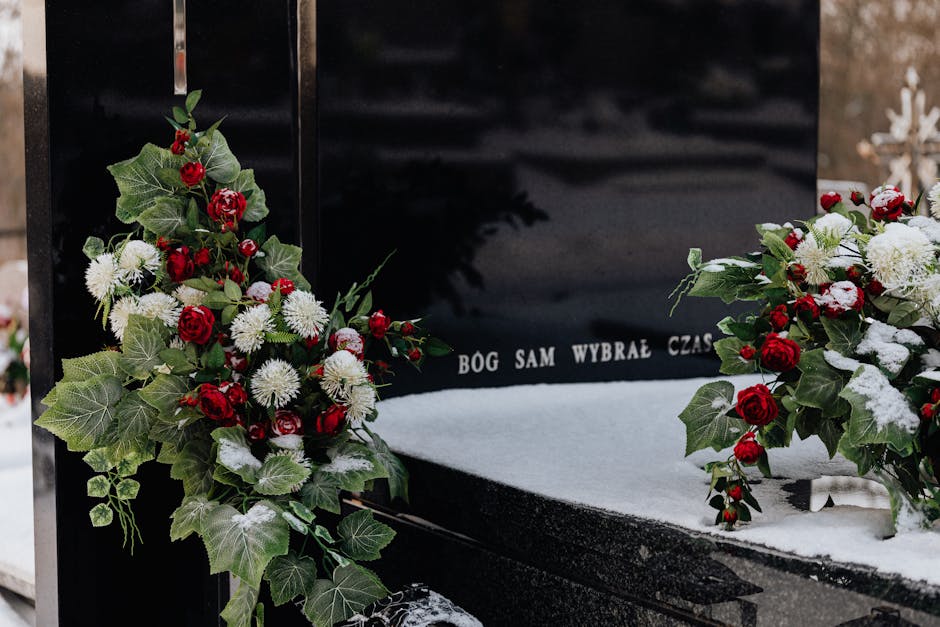
Here is the honest bit: a good tribute does not need to shout. It just needs to feel right when you stand there in the quiet, maybe with the wind moving the petals a little, and the moment settles around you.
Common Mistakes to Avoid
These are the mistakes that crop up most often when people are arranging funeral flowers or grave tributes for the first time.
- Assuming every cemetery has the same rules. They do not. Never assume.
- Ordering something too large. Big is not always better, especially for a grave-side setting.
- Forgetting about weather. A delicate display can wilt quickly outdoors, even if it looked perfect in the shop.
- Using loose decorations. Anything that can blow away or become litter is a poor choice.
- Ignoring placement boundaries. A tribute that spills into another grave space can create real upset.
- Leaving cards or messages unsecured. One gust of wind and off it goes. A bit annoying, to be fair.
- Leaving it too late. Last-minute choices can lead to unsuitable options or rushed delivery.
One of the biggest misunderstandings is that a funeral display and a long-term grave tribute are the same thing. They are not. A service arrangement is often designed to make an impact for a few hours; a grave tribute needs to survive longer and remain tidy. That distinction should guide your choice from the start.
Another common issue is over-personalising the display with too many themes, colours, or objects. Personal is good. Cluttered is not. There is a line, and once you see it, you cannot unsee it.
Tools, Resources and Recommendations
You do not need a lot of equipment to make a respectful grave tribute, but the right basics help. If you are preparing something yourself, or checking what a florist is providing, these are the things worth thinking about.
- Water source or hydration method: Useful for fresh flowers left outdoors.
- Sturdy ribbon or card holder: Helps messages stay legible.
- Weighted base or secure foam: Helps the arrangement stay in place in wind.
- Weather-tough packaging: Handy for transport and the walk from car to cemetery.
- Simple cleaning cloth: Useful for wiping stems, vases, or containers before placement.
If you are not sure what to choose, asking for a memorial or sympathy arrangement is often the easiest route. Those designs are normally put together with placement, shape, and sentiment in mind. For example, an arrangement from the tributes collection may be more suitable than a general mixed bouquet for a graveside setting.
It can also help to look at flower care guidance if you are keeping arrangements at home before the service. Even a simple note on stem trimming, cool storage, and water changes can extend freshness enough to make a real difference. Not glamorous, but very useful.
If you are arranging flowers for more than one recipient or event, a local florist with a strong delivery setup can reduce a lot of friction. Same-day or next-day delivery is especially useful if dates shift, which happens more often than people like to admit.
Law, Compliance, Standards, or Best Practice
Because this topic touches local memorial spaces and shared public areas, it is best to be cautious and practical. The exact Camden Council rules for grave flowers and funeral displays can vary by site and may change over time, so any final decision should be checked against the current cemetery guidance or the funeral director handling the service.
From a best-practice point of view, the safest principles are simple:
- do not damage memorials, turf, or surrounding plots
- do not block access for grounds staff
- use materials that are stable and respectful
- remove fading or damaged tributes in line with cemetery expectations
- avoid sharp fixings, loose debris, or items that can become hazards
There is also a dignity standard here, even if it is not written on a sign. A display should sit quietly within the cemetery environment. If it looks more like a party decoration than a memorial tribute, it probably needs simplifying. That is a good gut check.
For anyone ordering flowers professionally, reliable fulfilment matters too. If a tribute must arrive on a specific date, check the delivery terms and allow time for the flowers to be prepared properly. Funeral arrangements are not the place for guesswork. The timing window is often narrow, and nobody wants a late arrival at such a moment.
As with most council-linked arrangements, careful interpretation is wise. If you are unsure whether something will be acceptable, ask before ordering rather than hoping for the best. Hope is lovely. It is just not a compliance strategy.
Options, Methods, or Comparison Table
Choosing the right tribute becomes much easier when you compare the main options side by side. Here is a simple overview.
| Tribute type | Best for | Strengths | Watch-outs |
|---|---|---|---|
| Wreath | Funeral services and graveside remembrance | Traditional, balanced, widely understood | Can look small if you want a larger visual statement |
| Spray | Coffins, caskets, and service settings | Formal and elegant, often very appropriate for funerals | May be too large for a grave after the service |
| Posy | Compact grave flowers or sympathy gifting | Neat, simple, easy to place | Less dramatic for larger family tributes |
| Basket | Longer-lasting memorial display | Stable, easy to transport, looks settled | Needs care if left outdoors for longer periods |
| Letter tribute | Personalised family names or initials | Highly personal, visually distinctive | Can be large and may need more space |
For many families, the decision comes down to one question: is this tribute mainly for the service, or mainly for the grave? Once you answer that, the choice gets much clearer. If both matter, choose something transitional that can work in both places, or ask for a design adapted to each stage.
Some people prefer a more classic look, while others want something softer and personal. There is no wrong answer, really, as long as the tribute fits the setting. If you lean towards a dependable memorial style, browsing sprays can help you compare service-friendly designs quickly.
Case Study or Real-World Example
Here is a typical example from a real-world funeral planning scenario, with details kept general.
A family arranging a graveside burial in Camden wanted a floral tribute that felt warm and personal but would also sit neatly on the grave after the service. One relative initially wanted a large, dramatic arrangement with lots of extras. Another preferred something smaller and easier to maintain. After a quick discussion, they chose a classic wreath with white and green flowers, a short ribbon message, and no loose decorative items. It looked dignified at the service, then continued to sit calmly on the grave afterwards.
The family later said that the simpler choice actually felt more comforting. There was no panic about the arrangement tipping over, no awkwardness with size, and no need to trim off bits that had started to droop after a couple of days. It just worked. Plain and simple.
That is often how these decisions go. People start by imagining the biggest, most beautiful arrangement possible, then realise that the most respectful choice is the one that suits the space and the moment. You often only need one look at the site to see the answer.
In another case, a colleague sending sympathy flowers for a memorial service chose a compact posy rather than a large display because the tribute needed to be discreet and easy to place near the grave. That small adjustment made the arrangement more appropriate, and nobody had to rearrange it on arrival. A small win, but a very real one.
Practical Checklist
Use this checklist before ordering or placing grave flowers and funeral displays in Camden.
- Have I checked the cemetery or memorial location?
- Do I know whether the tribute is for the service, the grave, or both?
- Is the arrangement size suitable for the space?
- Have I chosen flowers that should hold up well outdoors?
- Does the design avoid loose pieces that could blow away?
- Is the message short, respectful, and legible?
- Will the tribute need to stay in place for more than a day or two?
- Have I allowed enough time for preparation and delivery?
- Does the arrangement sit securely without damaging the grave area?
- Have I asked for help if I am not quite sure?
If you can tick most of those off, you are in good shape. If one or two are still unclear, pause and sort them before you order. That tiny delay can save a lot of trouble later.
Sometimes the best practical decision is the simplest one. And that is fine.
Get a free quote today and see how much you can save.
Conclusion
Camden Council rules for grave flowers and funeral displays are there to protect dignity, safety, and the quiet order of memorial spaces. Once you understand the basics, the whole process becomes much less intimidating. Choose an appropriate tribute, keep the setting in mind, and avoid overcomplicating things. That is usually enough.
What matters most is not how elaborate the flowers are, but whether they feel right for the person, the place, and the moment. A thoughtful wreath, a simple spray, or a modest posy can carry more meaning than something oversized and awkward. In memorial work, restraint is often a strength.
So if you are planning a funeral, placing flowers at a grave, or sending a tribute on behalf of others, trust your instincts but keep the practical details in view. A little care now makes the tribute easier to place, easier to maintain, and more beautiful in its own quiet way. That kind of peace tends to stay with people.
Frequently Asked Questions
What are Camden Council rules for grave flowers and funeral displays?
They are the local expectations that guide what flowers or floral tributes can be placed at graves or used at funerals in Camden burial spaces. In practice, they usually focus on dignity, size, safety, and how long items can remain in place.
Can I leave flowers on a grave in Camden?
Usually yes, but the exact expectations can depend on the cemetery or burial ground. Fresh flowers, small arrangements, and tidy memorial tributes are typically the safest choices, while larger or more decorative items may need checking first.
Are artificial flowers allowed on graves?
Sometimes they are, sometimes they are restricted. It often depends on how the flowers are fixed, whether they create litter, and whether the cemetery prefers natural flowers for upkeep reasons. If in doubt, ask before buying.
What type of funeral flowers are best for a grave?
Wreaths, sprays, posies, baskets, and compact sympathy tributes are common choices. The best option depends on whether the flowers are for the service or for the grave afterwards. For long-term placement, simpler and sturdier designs usually work better.
How long can grave flowers stay in place?
That can vary. Some tributes are removed once they fade, while others may be left longer if they remain tidy and do not interfere with cemetery maintenance. The practical answer is to check the local cemetery guidance and the condition of the flowers.
Can I put a large funeral spray on a grave?
You can place a large spray at a funeral service, but it may be too bulky for long-term grave placement. A service display and a grave tribute are not always the same thing, so it is worth planning for both stages separately.
What should I write on a funeral flower ribbon?
Short, clear messages tend to work best. Common examples include "With love," "Forever remembered," or "In loving memory." If the tribute is from a group, keep the wording simple so it remains easy to read.
Do I need permission to place flowers at a grave?
In many cases, small respectful tributes are expected rather than formally "approved," but some sites have specific rules about placement and item type. If you are unsure, especially for larger displays, check first rather than assuming.
What flowers last longest outdoors on a grave?
Sturdy flowers such as roses, chrysanthemums, carnations, and lilies often last well compared with softer, more delicate stems. The arrangement style matters too. Good mechanics and secure placement can help more than people think.
What if my tribute is removed by cemetery staff?
That can happen if an item has faded, become untidy, or does not meet the cemetery's upkeep rules. It is best to see this as maintenance rather than disrespect. A tribute that no longer suits the space may be cleared to keep the area dignified for everyone.
Can I order grave flowers for same-day delivery?
In many cases, yes, if the florist offers that service and the arrangement is in stock or can be prepared quickly. Same-day delivery can be useful for funerals and memorials, but it is wise to place the order as early as possible so the flowers arrive in good condition.
How do I choose between a wreath and a spray?
A wreath is often better for general remembrance and grave placement because it feels balanced and tidy. A spray is often better for a coffin or service display because it has a more formal, directional shape. If you are unsure, think about where the tribute will sit after the ceremony.
What is the most respectful approach if I am unsure about the rules?
Keep it simple, choose a modest tribute, and ask for guidance before ordering. A thoughtful arrangement that fits the location is almost always better than a more elaborate display that causes issues later. Truth be told, simple often wins here.