Wedding flowers for Fortune Green couples
Posted on 17/09/2026
Planning Wedding flowers for Fortune Green couples is one of those lovely wedding tasks that looks simple at first, then suddenly becomes a whole little world of decisions. Roses or peonies? A clean modern look or something soft and romantic? Bright colour or all-white elegance? If you are getting married in or around Fortune Green, the good news is that your flower choices can be wonderfully flexible without feeling chaotic.
In practice, the best wedding flowers do more than decorate a venue. They help set the mood, tie the day together, and make the photos feel cohesive from the first bouquet shot to the last table arrangement after sunset. This guide walks through what matters, how to plan it properly, and how to avoid the easy mistakes that can leave couples stressed. You will also find practical examples, a comparison table, and a checklist you can actually use. Let's make it easier, shall we?
- Why wedding flowers matter
- How the process works
- Key benefits and advantages
- Who this is for
- Step-by-step guidance
- Expert tips for better results
- Common mistakes to avoid
- Tools, resources and recommendations
- Law, compliance, standards, or best practice
- Options and comparison
- Case study or real-world example
- Practical checklist
- Conclusion
- Frequently asked questions
Why Wedding flowers for Fortune Green couples Matters
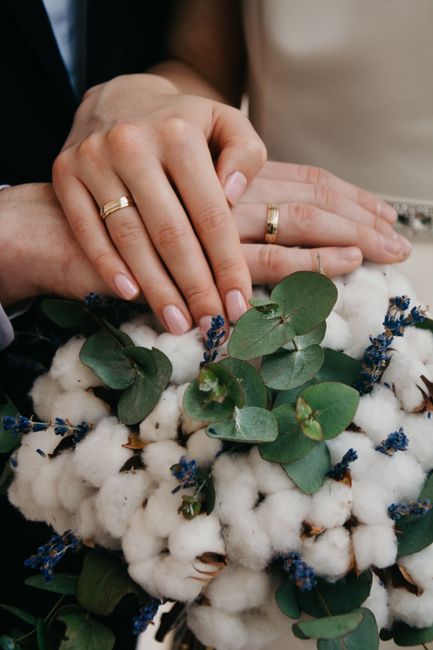
Wedding flowers are not just "nice to have". They are part of the visual language of the day. For Fortune Green couples, that often means balancing local venue style, seasonal availability, guest experience, and personal taste without overcomplicating things. A bouquet that looks dreamy in theory can feel out of place if it clashes with the venue, the dress, or even the tone of the ceremony.
Flowers also carry emotional weight. A bride may want blooms that echo family traditions. A couple might want a palette that feels modern and understated. Someone else may simply want the scent of fresh roses and greenery walking down the aisle at the right moment. Truth be told, people remember the feeling more than the florist jargon. They remember walking into a room and thinking, "Yes, this feels like us."
In an area like Fortune Green, where couples may be planning for intimate local venues, church ceremonies, registry-style spaces, garden receptions, or smaller restaurant celebrations, flowers often do a lot of heavy lifting. A well-chosen bridal bouquet, a few table arrangements, and neat buttonholes can transform even a modest setting into something polished and personal.
Expert summary: If you want wedding flowers that feel elegant, not overworked, start with the venue, then the dress, then the season. The order matters more than people think.
How Wedding flowers for Fortune Green couples Works
The process usually starts with three things: your style, your budget, and the practical details of the day. Once those are clear, you can build a floral plan that fits your wedding rather than trying to force your wedding around the flowers. That sounds obvious, but it is where many couples drift off course.
Most wedding flower plans include some mix of the following:
- Bridal bouquet - the focal arrangement carried by the bride.
- Bridesmaid bouquets - smaller, coordinated versions of the main bouquet.
- Buttonholes or boutonnieres - worn by the groom, groomsmen, or important family members.
- Table arrangements - centrepieces or low designs for reception tables.
- Ceremony flowers - altar pieces, aisle accents, or entrance arrangements.
- Special pieces - corsages, cake flowers, or gift bouquets.
A florist will usually discuss colour palette, flower choice, flower shape, and delivery timing. For example, a couple may ask for soft blush and ivory roses with greenery for the bridal bouquet, then choose simpler table designs so the whole event still feels balanced. That kind of blending is very normal. In fact, it often works better than trying to make every arrangement identical.
The timeline matters too. Wedding flowers are often planned weeks or months in advance, especially if you want a specific seasonal bloom. But not every couple needs a huge design process. Some are happy with a curated selection from a trusted florist, especially when time is tight or the wedding is more intimate. If that sounds like you, a flexible option such as florist choice flowers can be a sensible starting point.
What a typical planning flow looks like
- Choose a general style: classic, romantic, modern, natural, luxury, or seasonal.
- Set a working budget for bouquets, ceremony flowers, and tables.
- Check venue layout and delivery access.
- Confirm key colours and any flowers you want to avoid.
- Decide on your priority items first, then add extras if needed.
- Review substitutions in case a bloom is not at its best near the date.
- Confirm final order details and delivery timing.
That is the bones of it. The rest is detail, and the detail is where the beauty lives.
Key Benefits and Practical Advantages
Good wedding flowers bring more than visual appeal. They can simplify the day, calm decision-making, and make even a small venue feel intentional. For Fortune Green couples, especially those working with local venues or tighter schedules, that practical side matters quite a lot.
- They unify the wedding aesthetic. Flowers connect outfits, decor, stationery, and table styling.
- They help photography. Soft colour transitions and natural shapes photograph better than random decoration.
- They work across different venue types. A church, a pub function room, a garden, or a town-hall-style space can all benefit.
- They can be scaled up or down. You do not need a palace-sized budget to make flowers feel special.
- They support personal meaning. Flowers often reflect family memory, cultural preference, or simply what the couple loves.
There is also a quiet emotional advantage. Flowers soften the day. You notice it in the room before the ceremony starts: a fresh scent near the entrance, a neat bouquet resting in water, the subtle movement of petals in the warm air. Small thing, but it changes the atmosphere. Not glamorous in a loud way. Just quietly lovely.
If you are trying to get value without losing elegance, look at packages or collections that group items together. Some couples find it helpful to begin with wedding-focused ranges such as wedding collections and then tailor the pieces they actually need. That often reduces decision fatigue, which is no small thing in the middle of wedding planning.
Who This Is For and When It Makes Sense
This topic is for any couple planning a wedding in Fortune Green or nearby who wants their flowers to feel coherent, memorable, and manageable. It especially makes sense if you:
- are planning a local ceremony and reception with limited time for supplier juggling
- want elegant flowers without overspending on unnecessary extras
- need a clear floral plan for the bridal party, ceremony, and tables
- prefer a florist-led approach rather than selecting every stem individually
- care about photos, colour harmony, and seasonal suitability
It also makes sense if you are doing a smaller wedding and still want it to feel complete. Smaller weddings can be the hardest, oddly enough, because every detail is more visible. A mismatched bouquet stands out. A table arrangement that is too tall gets noticed. A buttonhole that is too bulky can feel awkward all day. So yes, size matters, but not always in the way people expect.
Couples with cultural or family traditions may also need more thoughtful floral planning. Maybe you want certain colours, specific blooms, or arrangements that work alongside religious or ceremonial customs. That can be handled well if you raise it early and clearly. No need to be precious about it; just be clear and practical.
Step-by-Step Guidance
If you want a better result, follow the planning process in order. Skipping steps usually costs more time later. And sometimes money. Definitely sometimes money.
1. Start with the venue and style
Look at your venue first. A bright modern room, a heritage hall, or a garden setting will suggest different flower shapes and colours. Long low arrangements work beautifully on round tables. Looser garden-style designs suit relaxed venues. Smaller, tighter bouquets tend to suit more formal settings.
2. Decide your floral priorities
Not every item needs to be elaborate. Most couples get the best value by prioritising the bridal bouquet, bridesmaid bouquets, buttonholes, and key table arrangements. Then, if budget allows, add ceremony flowers or extra reception pieces. This order keeps the essentials strong.
3. Choose a palette rather than too many exact flowers
If you say "soft white and blush with greenery", the florist can work with seasonality more flexibly. If you insist on five exact flower types, the design gets narrower and can become harder to source. A palette gives you style without boxing everyone in.
4. Think about season and availability
Seasonal flowers usually look better and can be more practical. That does not mean you must only use seasonal blooms, but if your wedding is in early spring, it makes sense to let the season guide the design. Trying to force out-of-season flowers is a bit like wearing a winter coat to the beach. Technically possible. Not ideal.
5. Confirm practical delivery details
Wedding flowers need proper timing. They should arrive fresh, with enough time for placement but not so early that they sit around too long. If your venue has restricted access or a tight schedule, tell the florist early. Delivery logistics are one of those boring topics that become very exciting if they go wrong.
6. Review the finishing touches
Ask about ribbon, vase style, hydration, and whether any arrangements need to be moved between ceremony and reception. A bouquet wrap, a corsage pin, or a vase liner can sound tiny, but these tiny details affect the day more than people realise.
7. Confirm substitutions and backups
Flowers are living material. They vary. Weather, supply, and freshness all play a part. A sensible florist will explain what may change and what will stay consistent. You want a clear plan for substitutions before the wedding week, not a surprise on the morning.
Expert Tips for Better Results
In our experience, the best wedding flower outcomes come from a few simple habits that couples often skip because they sound too straightforward. They are straightforward, though. That is the point.
- Anchor the design with one hero flower. Roses, lilies, orchids, lisianthus, or hydrangeas can set the tone cleanly.
- Use texture, not just colour. Mixed greenery, delicate filler flowers, and different bloom sizes make arrangements feel richer.
- Repeat one element across the day. If the bridal bouquet has blush roses and white lisianthus, echo them in table pieces or buttonholes.
- Keep the bouquet size proportional. Petite brides often suit lighter bouquets; fuller gowns may carry larger forms more naturally.
- Ask how flowers age during the day. Some blooms open beautifully, others become floppy if they are too warm for too long.
- Plan for photos in different light. Morning ceremony flowers can read differently by evening indoors.
A useful trick is to choose one focal colour and two supporting tones. For example, ivory, blush, and soft green is calmer than six competing shades. If you love colour, then go for it, but do it deliberately. A confident palette looks intentional; a crowded one can feel a bit lost.
Couples who want a romantic feel often do well with designs that include the romance and love collection style of flowers, because that visual language already leans towards softness, warmth, and celebration. For a modern touch, you can still keep shapes cleaner and containers more minimal.
Common Mistakes to Avoid
Most floral problems are preventable. That is the good news. The bad news is that people tend to make the same few mistakes over and over because wedding planning gets busy and nobody wants to think about vases at 9 p.m. on a Tuesday.
Choosing flowers before choosing the venue
This is one of the biggest ones. The venue should influence the floral style, not the other way around. A large statement arch may be gorgeous, but it is not helpful if your space cannot fit it.
Over-ordering small extras
It is easy to add little things until the list becomes much bigger than intended. Extra posies, extra buttonholes, extra table flowers... and suddenly the budget has drifted. Be ruthless about what the room actually needs.
Ignoring delivery timing
Wedding flowers are not something to leave in the car while everyone gets ready. They need a proper delivery window and a safe holding plan. If the venue lacks refrigeration or cool space, factor that in.
Forgetting about the dress and accessories
A bouquet should complement the dress neckline, fabric texture, and scale. A heavy bouquet can feel uncomfortable in photos. A tiny bouquet can disappear beside a dramatic gown. Balance matters.
Picking too many colours
Bright can be beautiful, but too many bright tones can turn into visual noise. If you want a bold scheme, keep the composition disciplined. One strong hue often works better than several fighting for attention.
Not asking about flower condition
If you are using open blooms for effect, ask how the flowers are expected to look on the day. A design that is meant to open up is fine. A design that starts too open and then collapses is not.
Tools, Resources and Recommendations
You do not need complex tools to plan wedding flowers well. You need a clear brief, a few reference images, and a sensible way to organise choices. That is really it.
Useful things to prepare before speaking to a florist
- Venue name and ceremony time
- Dress style or colour family
- Bridesmaid outfit colours
- Guest count and table layout
- Approximate floral budget
- Any flowers to avoid for allergy or preference reasons
- Photos of styles you like and do not like
Simple planning resources
A mood board works brilliantly, even if it is just a folder on your phone. Save a few bouquet shapes, table arrangement examples, and colour references. The goal is not to copy a single image. The goal is to show the florist the feeling you want.
For couples who like a quicker route, curated product pages can help narrow choices by style and occasion. You might look at bridal bouquets, bridesmaid bouquets, buttonholes, and table arrangements to understand the available structure before you decide on the full set.
If you want a broader range of seasonal and everyday options while you compare ideas, the all flowers collection can be a useful reference point. And if you are trying to keep spending under control, it is worth comparing against budget-friendly options so you can see where the value sits.
Law, Compliance, Standards, or Best Practice
For wedding flowers in the UK, there is usually no special legal hurdle for couples themselves, but there are still practical standards worth respecting. A reputable florist should handle flowers safely, communicate clearly about substitutions, and deliver in a way that protects the arrangements. That is the normal expectation.
Where best practice matters most is in the details:
- Clear order confirmation: the agreed items, quantities, colours, and delivery details should be documented.
- Transparency on substitutions: flowers are seasonal, so acceptable alternatives should be discussed early.
- Care instructions: arrangements should be handled in line with flower-care guidance so they stay fresh for the event.
- Accessibility and delivery planning: if the venue has stairs, restricted access, or a tight setup window, those practicalities should be considered in advance.
- Refund and issue handling: terms should be understood before payment, particularly if you are ordering close to the date.
If you are comparing suppliers, check that the ordering process, payment terms, and return or refund approach are clear. For added peace of mind, it helps when a florist presents policies plainly, not buried in hard-to-read wording. A couple should not have to decode the small print just to know what happens if a delivery runs late.
It is also sensible to think about sustainability. Seasonal sourcing, reusable containers where possible, and reduced waste can all be part of a better floral plan. Nothing flashy. Just a more thoughtful way to do things.
Options, Methods, or Comparison Table
Different couples need different flower setups. Some want a full design package. Others want a few strong pieces and no fuss. Here is a simple comparison that can help you choose the right method.
| Option | Best for | Strengths | Trade-offs |
|---|---|---|---|
| Full bespoke floral plan | Couples wanting a cohesive, highly tailored look | Most flexibility, strong visual impact, better for themed or detailed weddings | Needs more planning time and usually a higher budget |
| Curated florist choice | Couples who trust expert selection and want less decision fatigue | Efficient, often more adaptable to seasonal stock, simpler to order | Less control over exact stem-by-stem choices |
| Essential-only package | Smaller weddings or couples on a tighter budget | Covers the key pieces without excess | Less decorative impact in larger venues |
| Statement bouquet plus minimal venue flowers | Couples focused on photos and personal style | Beautiful for intimate ceremonies and registry weddings | May feel sparse in bigger reception spaces |
There is no single correct answer. If you are having a small wedding breakfast in a local restaurant, an essential-only plan can be perfect. If you are hosting a larger celebration and want the room to feel immersive, a fuller floral scheme may be worth it. The right answer is the one that suits the day you are actually having.
For couples drawn to premium presentation, a more luxurious arrangement style such as luxury flowers can be a good benchmark when considering richness, volume, and finish.
Case Study or Real-World Example
A Fortune Green couple planning a late-summer ceremony wanted the day to feel elegant but relaxed. They were marrying locally, then heading to a reception with limited table space, so the floral brief had to be smart rather than oversized. The bride wanted soft ivory and blush tones; the groom preferred something clean and unfussy. Fair enough. Those two wishes met in the middle nicely.
The florist built the plan around a bridal bouquet, two bridesmaid bouquets, buttonholes, and simple low arrangements for the tables. Instead of trying to fill the room with heavy decor, the design repeated the same rose and lisianthus mix in each piece. That gave the wedding consistency without making the arrangements feel copy-pasted.
What worked especially well was the restraint. The couple did not chase every idea they saw online at 11 p.m. They chose a few elements and let them breathe. The venue looked calm, the photos looked polished, and the flowers did their job without shouting for attention. Sometimes that is the best result. Not dramatic. Just right.
A tiny detail made a difference too: the bouquets were delivered close enough to the ceremony that they still looked crisp in the hand, with enough time for quick checks and final placement. Small logistics, big payoff.
Practical Checklist
Use this checklist to stay organised. Print it, save it, scribble on it, whatever works.
- Have we chosen the venue and confirmed the floral setup areas?
- Do we know our colour palette and overall style?
- Have we set a working budget for the essential items first?
- Do we want bespoke flowers or curated florist choice arrangements?
- Have we listed the bridal bouquet, bridesmaid bouquets, buttonholes, and table flowers we need?
- Have we checked which flowers are in season around our date?
- Have we noted any flowers to avoid due to allergies or preference?
- Have we confirmed delivery access, timing, and venue contact details?
- Do we need a plan for moving flowers from ceremony to reception?
- Have we reviewed substitutions and backup options?
- Have we looked at care instructions for keeping flowers fresh on the day?
- Have we read the terms, payment details, and refund policy?
Quick practical reminder: if something feels unclear, ask before the wedding week. It is far easier to adjust a plan on paper than on the morning, when everyone is half-ready and someone has misplaced the ribbon scissors.
Conclusion
Wedding flowers for Fortune Green couples should feel beautiful, personal, and manageable. That is the sweet spot. The best floral plans do not overwhelm the day; they support it. They add warmth to the ceremony, structure to the room, and a sense that the whole wedding belongs together.
Start with the setting, choose a palette that suits your style, and focus on the pieces that matter most. If you keep things clear and practical, the result tends to be calmer, better-looking, and much less stressful. And honestly, that is what most couples want. Not perfection. Just a wedding that feels like them.
If you are still comparing options, choose the flowers that make you pause for a second and smile. That pause matters more than people think.
Get a free quote today and see how much you can save.
Frequently Asked Questions
What flowers are best for Fortune Green weddings?
Roses, lisianthus, hydrangeas, lilies, orchids, and seasonal greenery are all popular choices because they suit a range of styles. The best option depends on your colour palette, venue, and budget. If you want a softer look, roses and lisianthus are often a strong combination.
How far in advance should I book wedding flowers?
It is sensible to book as early as you can, especially if you want a specific date, style, or seasonal bloom. Some couples plan several months ahead, while smaller weddings may be arranged later. If the date is busy, earlier is better.
Can I keep wedding flowers affordable without them looking cheap?
Yes. A clean palette, seasonal stems, and a focus on key items such as the bouquet and buttonholes can look elegant without pushing the budget too far. The trick is not to dilute the design with too many small extras.
What should be included in a wedding flower order?
Most orders include the bridal bouquet, bridesmaid bouquets, buttonholes, and table arrangements. Some couples also add ceremony flowers, corsages, and gift bouquets. The right mix depends on the venue and the scale of the celebration.
Do wedding flowers need to match the bridesmaid dresses exactly?
No, and often they should not. Flowers work better when they complement the dresses rather than match them perfectly. A tonal link is usually more flattering and more natural in photos.
What if I do not know which flowers I want?
That is very common. Start with colours, then look at bouquet shapes and general styles. A florist can usually guide you toward suitable options based on the season and the atmosphere you want. A curated florist choice selection can also help narrow things down.
How do I make sure the flowers last through the day?
Ask for delivery timing that keeps the flowers fresh, keep arrangements out of direct heat where possible, and follow any care instructions you are given. Hydration and handling matter a lot more than people realise.
Are seasonal flowers better for weddings?
Often, yes. Seasonal flowers are usually easier to source and tend to look naturally in tune with the time of year. That said, you can still include other blooms if your florist confirms they will hold up well.
Should I choose bespoke flowers or ready-made wedding collections?
If you want full control and a specific design, bespoke is usually the better fit. If you want something elegant with less decision fatigue, a ready-made wedding collection can be ideal. It comes down to how much customisation you want.
What is the difference between a bridal bouquet and a bridesmaid bouquet?
A bridal bouquet is usually the focal arrangement and may be larger, fuller, or more detailed. Bridesmaid bouquets are typically smaller and designed to complement the main bouquet without competing with it.
Do I need flowers for both the ceremony and reception?
Not necessarily. Some couples only need flowers for one part of the day, especially for smaller weddings. Others want flowers in both spaces so the look feels continuous. It depends on your venue layout and how important floral styling is to you.
What should I check before paying for wedding flowers?
Confirm the items included, delivery timing, substitution policy, payment terms, and any practical details like access to the venue. It is also worth checking care guidance and what happens if something changes close to the date. Clear expectations now can save a lot of hassle later.
Wedding flowers do not have to be complicated to be beautiful. Keep the plan grounded, trust the process, and let the details support the day rather than dominate it. That usually leads somewhere lovely.